
13 years · 40+ retreats · 700+ women



The holiday season is supposed to be the most wonderful time of the year. But between shopping, cooking, family gatherings, office parties, travel, and trying to remember which dish you’re supposed to bring to the potluck, it can also be one of the most stressful.
And then there’s the food. We eat things we don’t normally eat, indulge in a few extra sweets, and sometimes discover that the creamy casserole everyone raved about doesn’t exactly agree with our digestive system. Add a little holiday anxiety and a house full of relatives, and our bodies may be telling us it’s time to slow down.
Fortunately, the plants in our herbal medicine cabinet can offer some wonderful support.
As an herbalist, I love finding ways to bring herbs into everyday life, especially during the colder months. Warming spices, soothing teas, and traditional herbs for holiday stress support can become part of our holiday routines without adding another complicated task to an already busy schedule.
Let’s explore some of my favorite herbs for holiday stress and digestion, along with simple recipes and practical ways to enjoy the season with a little more calm.
The Short Version
Which herbs help with holiday stress and digestion? The ones I reach for most are Ginger, Cayenne, Prickly Ash, and Garlic for digestion and warmth; Licorice root or a calming tea of Chamomile, Lemon Balm, and Holy Basil to unwind after a big meal; Eleuthero for the long haul of a busy season; and Rescue Remedy for the stressful moments in between. Most of them are already in your kitchen.
What’s in This Post
- Ginger for Digestion
- Cayenne
- Prickly Ash
- Garlic (and Pickled Honey Garlic)
- Licorice Root Tea
- Eleuthero for Seasonal Stress
- Rescue Remedy
- A Calming Holiday Herbal Tea
- Simple Ways to Stay Calm
- FAQ: Herbs for Holiday Stress
Ginger: Your Holiday Digestive Companion
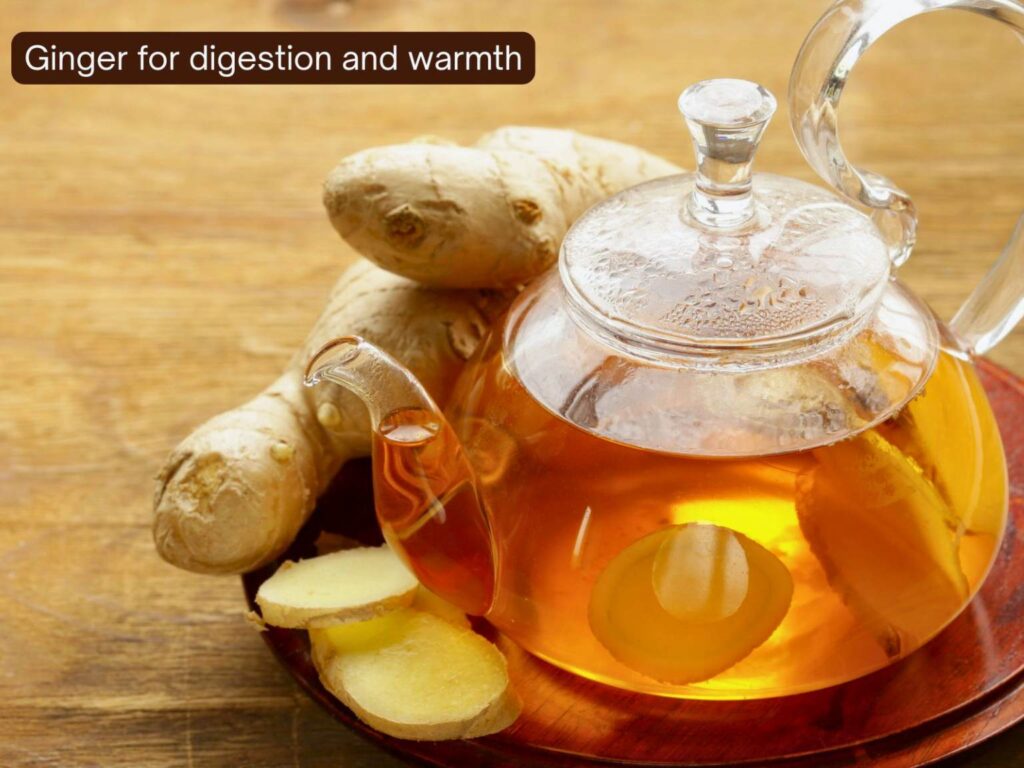
If there’s one herb I reach for when my stomach gets upset, it’s Ginger (Zingiber officinale). Ginger is a warming herb traditionally used to ease gas, bloating, nausea, and that heavy, too-full feeling after a big meal.
During the holidays, I’m eating more sugar, trying foods I don’t normally eat, and occasionally discovering that something at a potluck contains dairy that doesn’t agree with me. Ginger is one of my favorite ways to settle in with a warm cup of tea when my digestive system needs a little extra attention. I also really enjoy ginger chews and carry them with me throughout the year.
Ginger is traditionally considered a warming, drying herb. It’s known as a carminative, meaning it helps support digestion and ease occasional gas and bloating. It’s also used for nausea, motion sickness, appetite changes, and that uncomfortable feeling of food sitting heavily in the stomach.
I especially appreciate Ginger’s warming qualities during the colder months. A cup of Ginger tea can feel like a little bit of comfort on a chilly afternoon.
Bring Ginger into your holiday cooking
Fresh Ginger is easy to incorporate into everyday meals. Try adding it to:
- Roasted carrots, squash, and sweet potatoes
- Homemade salad dressings and marinades
- Vegetable soups and broths
- Holiday fruit compotes and baked apples
- Warm water with lemon and a little honey
- Candied Ginger on your relish tray
You can also enjoy Ginger before a meal. In traditional herbal practice, its warming, pungent flavor is used to stimulate digestive secretions and prepare the digestive system for food.
Recipe: Warming Ginger Digestive Tea
Ingredients
- 1–2 teaspoons freshly grated Ginger, or several thin slices of fresh Ginger
- 1½ cups water
- A squeeze of fresh lemon, optional
- Honey to taste, optional
Directions
- Add the Ginger and water to a small saucepan
- Bring to a gentle simmer and allow it to steep or simmer for 10–15 minutes, depending on how strong you like your tea
- Strain into your favorite mug
- Add lemon or a little honey if desired
Sip slowly, especially after a meal. Let it be an opportunity to pause rather than rushing off to clean the kitchen or tackle the next item on your holiday list.
A note on Ginger and Garlic: both are safe and familiar as food, but in larger, medicinal amounts they may add to the effect of blood thinners. If you take a blood-thinning medication or have surgery coming up, check with your doctor or pharmacist before using them in therapeutic doses.
Cayenne: Turn Up the Warmth
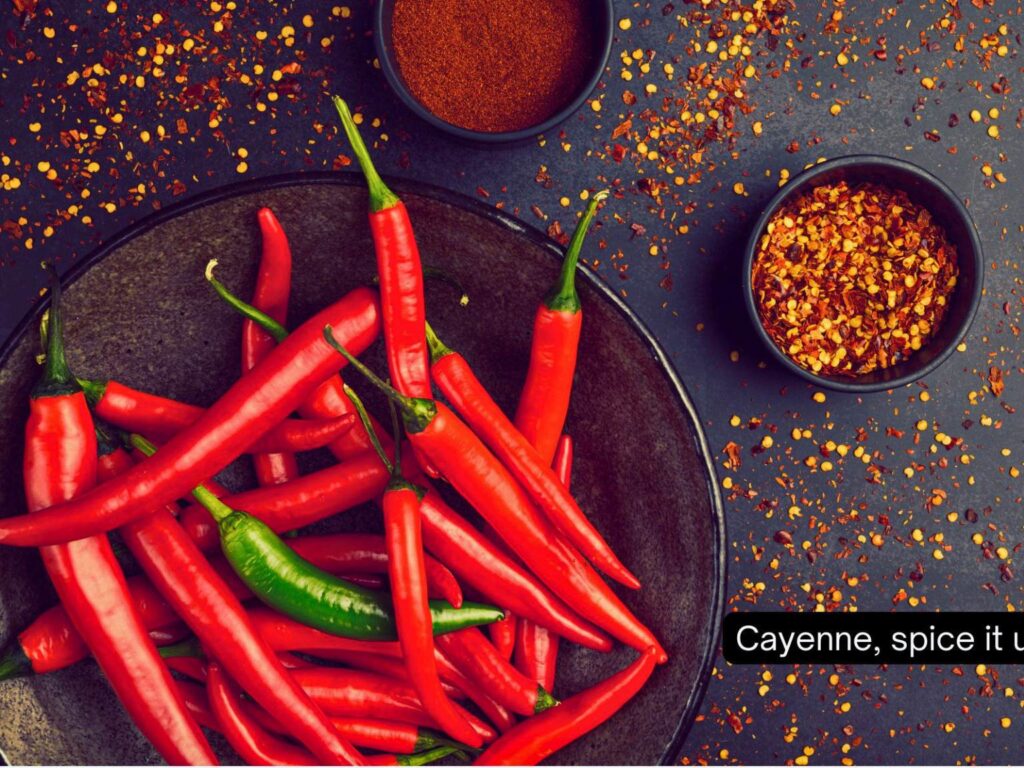
Cayenne (Capsicum frutescens) is a wonderfully warming spice, particularly when the temperatures drop and our fingers and toes seem to be perpetually cold.
Traditionally described as warming and drying, cayenne is valued by herbalists for its stimulating effects on circulation and its pungent flavor. It has also been used traditionally to support digestion, encourage appetite, and help loosen mucus.
During the colder season, cayenne is a lovely addition to foods that benefit from a little heat.
Think warming soups, hearty stews, roasted vegetables, chili, and savory sauces. A small pinch can bring a dish to life without overwhelming the other flavors.
Cayenne can also be incorporated into a homemade spice blend for roasted nuts or sprinkled into a pot of vegetable soup.
A little goes a long way. If you’re not accustomed to spicy foods, start with a tiny pinch. More isn’t necessarily better, especially if you already experience heartburn or stomach irritation.
One of the simplest ways to use food as part of your herbal practice is to ask yourself a question while you’re cooking:
What could I add to this meal that would make it more warming, flavorful, and supportive of my well-being?
Sometimes the answer is as simple as a little Ginger, Garlic, or Cayenne.
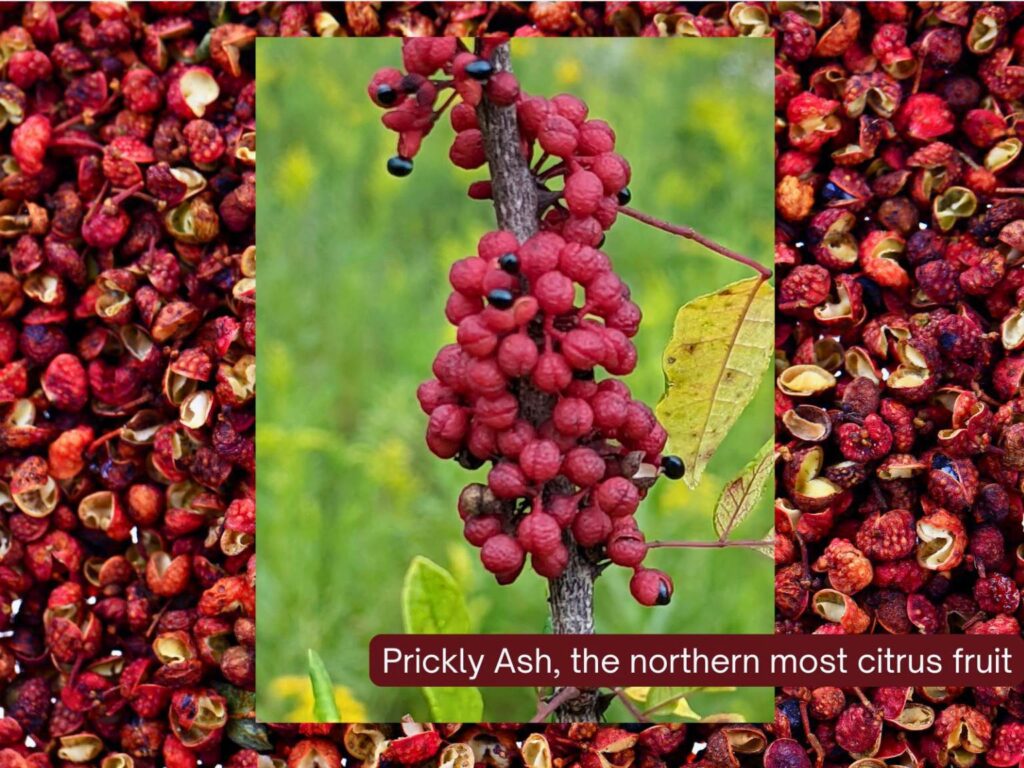
Prickly Ash: A Warming Herb for Winter
Prickly Ash (Zanthoxylum americanum) is another warming herb that deserves a place in our winter herbal repertoire.
Herbalists have traditionally used Prickly Ash to support circulation and digestion. It’s considered warming and stimulating, and it’s also used as a carminative to help ease occasional gas and digestive discomfort.
Prickly Ash has also been used for cold limbs, muscle discomfort, and a feeling of sluggishness or exhaustion.
One of my favorite ways to use Prickly Ash is topically. I especially like making an oil from the berries and rubbing it onto my cold hands and feet during the winter months. It’s a lovely way to bring warming herbal care into a simple daily ritual.
Prickly Ash berries also have culinary potential. The berries can be dried and then ground in a spice grinder or pepper mill and used as a seasoning. Their distinctive, tingling flavor is reminiscent of Szechuan pepper, a close relative.
Try a small amount in savory dishes, particularly those featuring roasted vegetables, mushrooms, or hearty winter soups.
And here’s another question worth considering as you plan your holiday menu:
Which herbs and spices could you incorporate into your favorite holiday recipes, allowing your food to be both delicious and supportive of your everyday well-being?
You might discover that your spice cabinet is one of the simplest places to begin exploring herbalism.
Garlic: A Holiday Kitchen Staple
Garlic (Allium sativum) is one of those plants that deserves a permanent place in the kitchen.
Garlic is considered warming and drying, and it has a long history of use in herbal traditions, particularly during the colder months. It is valued for its pungent compounds and its antimicrobial uses. Garlic is also commonly included in food preparations intended to support everyday immune health.
From an herbalist’s perspective, I love that Garlic is both a familiar food and a plant with a rich history of medicinal use.
It’s easy to incorporate into meals without changing your cooking routine. Add it to roasted vegetables, soups, stews, marinades, salad dressings, and homemade sauces.
Garlic pairs particularly well with other warming ingredients, including Ginger, Cayenne, and black pepper.
During a season when we’re gathering with more people than usual, it makes sense to pay attention to the everyday habits that help us care for ourselves. Eating nourishing meals, getting adequate rest, washing our hands, and making time to recover between busy days all matter.
Garlic can be one delicious part of that routine.
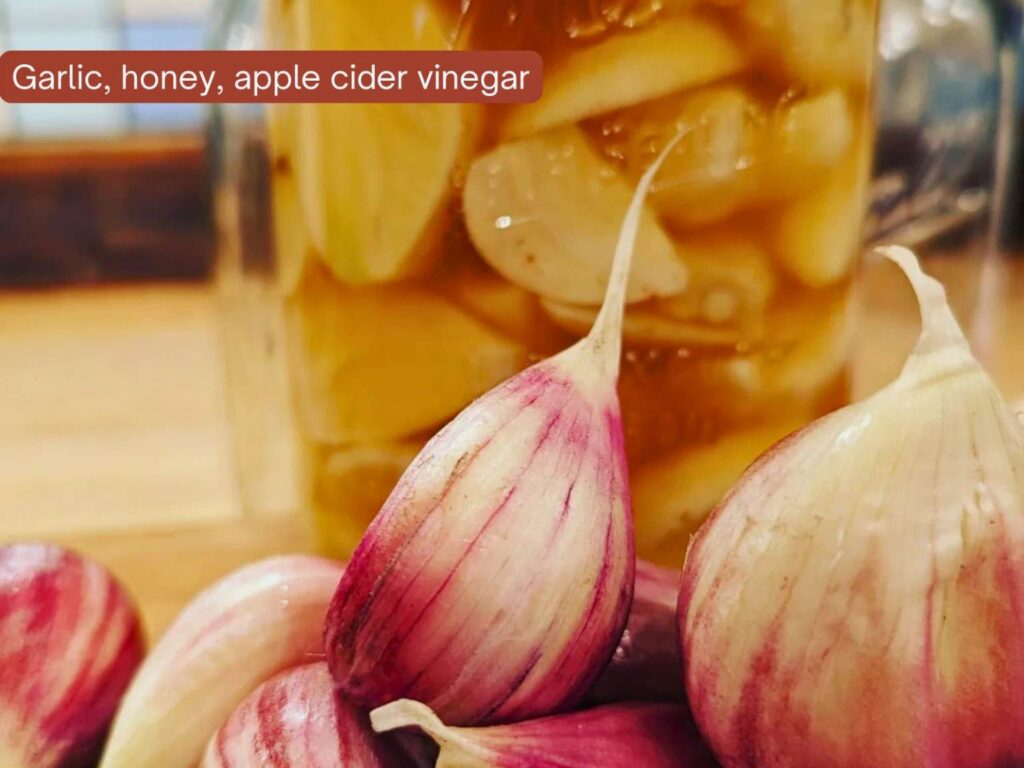
Don’t forget the Pickled Honey Garlic!
One of my favorite ways to enjoy garlic is this recipe. I love serving it on a relish tray during the holidays, right next to the candied Ginger and Dilly Beans.
The honey and apple cider vinegar in this recipe balance the pungency of the Garlic, making the cloves deliciously tangy and less intense than you might expect.
It’s a flavorful addition to a holiday spread, and it gives guests something a little different to try.
Recipe: Pickled Honey Garlic
- Fill a widemouthed glass jar with whole peeled Garlic cloves
- Add enough apple cider vinegar to completely cover the cloves
- Place the jar in a warm spot (near a sunny window is fine)
- Let sit for 3 to 4 weeks
- Strain off the liquid in a bowl
- Set half of the liquid aside to be used in salad dressings and marinades
- Place the rest of the liquid in a saucepan and add an equal amount of honey
- Warm over very low heat, stirring, until the honey is thoroughly mixed into the vinegar
- Pour this sauce back over the garlic, recap
- Let sit another 3 to 4 weeks
- When complete, store in a cool, dark location where it will keep for a year or longer, or refrigerate
Eat at will! This has a sweet, hot, pungent flavor. It’s a great way to eat raw Garlic with all of its virtues intact, without fear of the stomach distress that raw Garlic is known to sometimes cause.
A few food-safety notes: the vinegar soak is what makes this recipe safe, so don’t skip it or swap in oil. Keep the cloves fully submerged the whole time, and if you ever see mold or fuzz, toss the batch and start again. If you’d rather play it extra safe, you can let both steps happen in the refrigerator; it just takes a little longer. And because it contains honey, this one isn’t for babies under one year old.
Want to Learn This Hands-On?
If you’d love to spend a few days actually working with plants, identifying them on a forest walk, making your own tincture, and taking home a balm you made yourself, that’s what Rewilding the Sacred is all about. Four days of herbalism and yoga in the Oregon forest, just outside Eugene.
July 15–18, 2027 · Twenty women · From $997
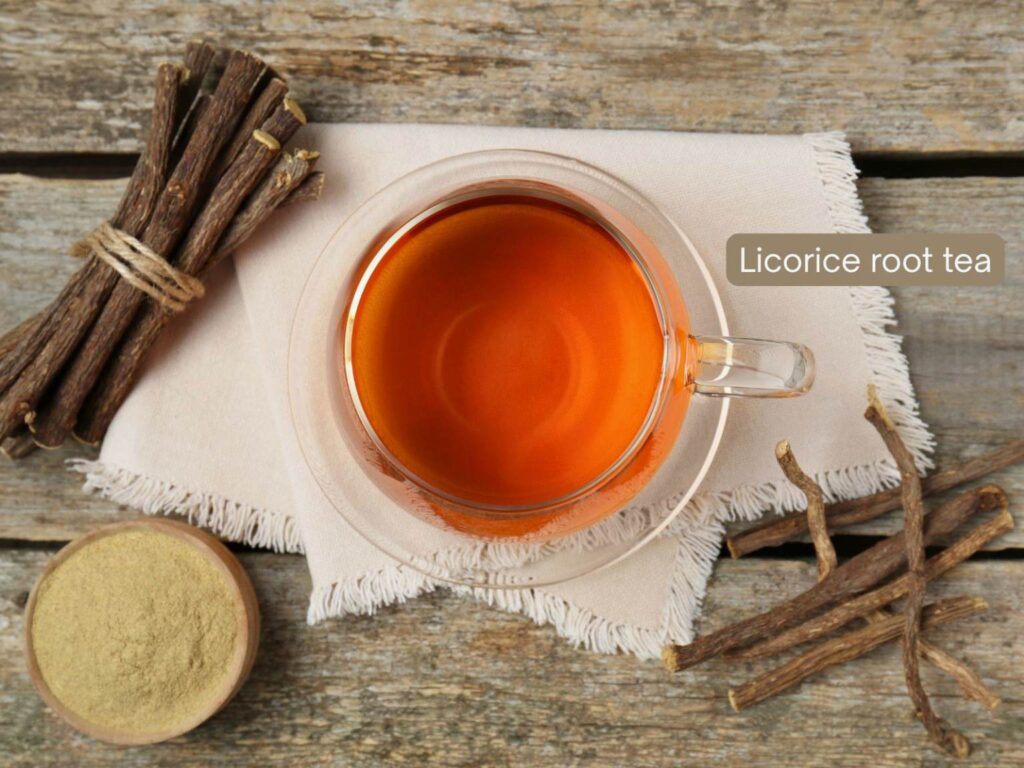
Licorice Root: A Soothing Cup After a Big Meal
Licorice (Glycyrrhiza glabra) has a naturally sweet flavor that makes it a pleasant addition to herbal teas, and a cup after a big meal is one of my favorite ways to soothe digestion and unwind.
In herbalism, Licorice is known as a demulcent, meaning it contains mucilaginous substances that help soothe and coat irritated tissues. It has also traditionally been used in preparations for digestive and respiratory comfort.
I love drinking Licorice tea when I’m unwinding after a big meal. I enjoy its naturally sweet flavor, and making a cup gives me a reason to sit down, slow my breathing, and stop thinking about everything that still needs to be done.
Sometimes the ritual itself is a welcome reminder that we’ve done enough for the moment.
Licorice root can be enjoyed on its own or blended with other herbs, depending on the flavor and purpose of the tea. I favor Yogi brand Licorice Mint tea.
However, this is one herb to use thoughtfully. Regular Licorice root contains glycyrrhizin, which can raise blood pressure and lower potassium levels. It may be unsuitable for people with hypertension, certain heart or kidney conditions, or those taking particular medications, including diuretics (water pills), digoxin, blood thinners, and steroids. It’s also best avoided during pregnancy. An occasional cup is very different from daily, long-term use, so if you find yourself reaching for it every day, talk with your practitioner.
If Licorice isn’t appropriate for you, Mint or another suitable herbal tea can provide an equally lovely opportunity to pause after a meal.

Eleuthero: Support for the Demands of the Season
Eleuthero is an adaptogen, an herb traditionally used to help the body build resilience to ongoing physical and mental stress, which makes it a good fit for a season that asks a lot of us.
Sometimes holiday stress isn’t about one particularly difficult moment. It’s the cumulative effect of too many commitments, too little rest, and the feeling that everyone needs something from us at once.
This is where traditional adaptogenic herbs may be worth exploring.
Eleuthero (Eleutherococcus senticosus, sometimes called Siberian ginseng) is classified as an Adaptogen. It has a long history of use in herbal preparations intended to support resilience during periods of physical or mental stress.
Herbalists recommend Eleuthero for fatigue, reduced stamina, and difficulty maintaining concentration during demanding periods.
For some people, the holidays bring a particularly challenging combination of busy schedules and disrupted sleep. We may be staying up later, waking earlier, and trying to maintain our usual responsibilities while squeezing in another round of shopping or baking.
Rather than expecting ourselves to power through indefinitely, we can use this season as a reminder to pay attention to our energy and recovery.
Eleuthero is one herb to consider as part of a broader approach that includes regular meals, sufficient sleep, movement, and realistic expectations.
I prefer to use Eleuthero in tincture form and enjoy it in a custom blend that is focused on calming my nervous system. Taken daily, I benefit from its adaptogenic characteristics.
Good to know: Eleuthero can feel energizing, so take it earlier in the day if it affects your sleep. It isn’t recommended during pregnancy or breastfeeding, and it may interact with some medications, including digoxin, diabetes medications, and blood thinners, so check with your practitioner first if you take any of these.
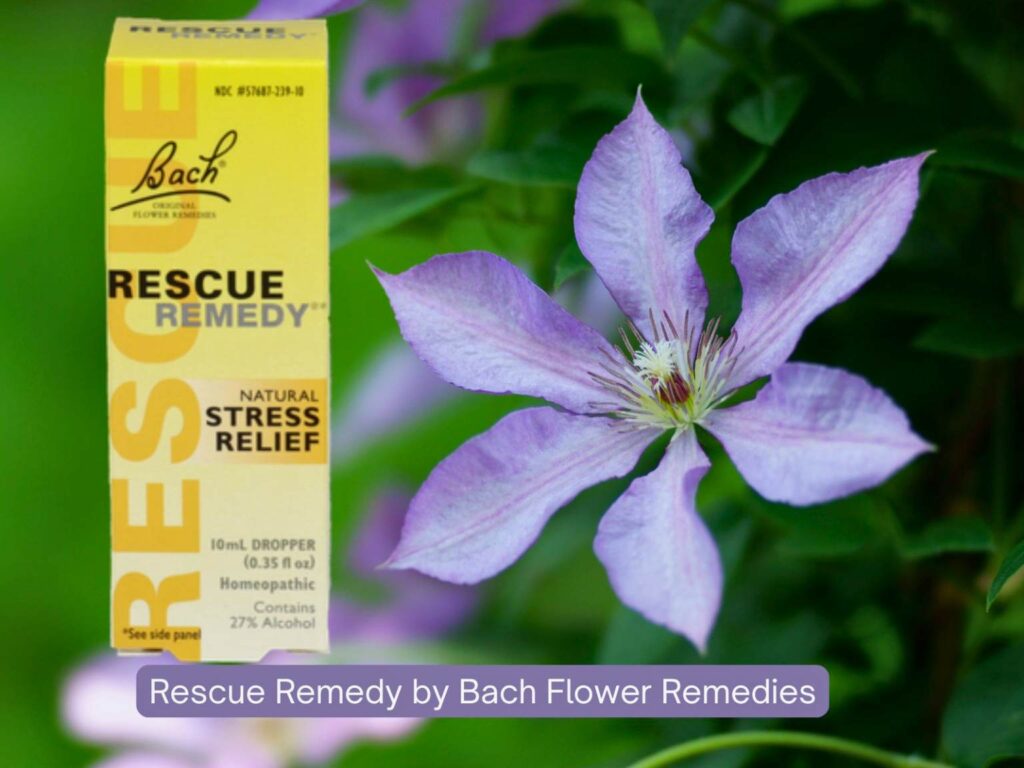
Rescue Remedy: A Little Pause in the Middle of Holiday Chaos
Rescue Remedy is a blend of five Bach flower essences that many people keep on hand for moments of sudden stress or overwhelm.
Have you ever been perfectly calm until someone announces that the guests will arrive in 20 minutes, the potatoes aren’t done, and your favorite relative has just called to say they’re bringing three extra people?
Or perhaps you’re navigating a difficult family relationship, preparing for an office party, or simply feeling overwhelmed by the sheer number of things to do.
Sometimes we need a reminder to stop, take a breath, and find our footing.
One option I like to reach for is Rescue Remedy, the traditional Bach flower essence blend developed by Dr. Edward Bach.
The original blend contains five flower essences:
- Impatiens: For those who act and think quickly and have no patience with what they see as others’ slowness. Teaches empathy, understanding of and patience with others.
- Star of Bethlehem: For trauma and shock, whether experienced recently or in the past. Teaches the ability to recover from traumas and to integrate them into the present life.
- Cherry Plum: For those who fear losing control of their thoughts and actions and doing things they know are bad for them or which they consider wrong. Teaches trust in one’s spontaneous wisdom and the courage to follow one’s path.
- Rock Rose: For situations in which one experiences panic or terror.
- Clematis: For those who find their lives unhappy and withdraw into fantasy worlds. Teaches one to establish a bridge between the physical world and the world of ideas; may foster great creativity. It is also used to bring clarity and alertness to the present moment.
Within the Bach flower essence tradition, Rescue Remedy is intended for moments of immediate stress or emotional upset.
You might choose to reach for it before a challenging conversation, after receiving unexpected news, or while preparing for a gathering that you know will test your patience.
I think of it as a potential reminder to pause and reconnect with the present moment. It can be part of a personal calming ritual, used on-the-spot for stressful situations.
One practical note: the original Rescue Remedy drops are preserved in alcohol. If you avoid alcohol, look for the alcohol-free versions, which are widely available.
If you find yourself needing rescue every day, it may be time to explore what is contributing to that feeling and consider more individualized support.

Make Yourself a Calming Cup of Tea
You don’t need a complicated herbal formula to create a moment of calm.
A simple cup of calming herbal tea can become a small daily ritual, particularly when you choose herbs traditionally used for relaxation.
Chamomile, Holy Basil and Lemon balm are three of my favorites for this purpose.
Chamomile has a gentle, familiar flavor and a long history of use as a calming herb. Lemon balm has a pleasant lemony aroma and is traditionally used to support relaxation during periods of tension. Holy Basil, also known as Tulsi, lifts the spirit and renews hope.
Together, or separately, they make a lovely evening tea.
Recipe: Calming Holiday Herbal Tea
Ingredients
- 1 teaspoon dried Chamomile flowers
- 1 teaspoon dried Lemon balm leaves
- 1 teaspoon dried Holy Basil leaves
- 1 cup freshly boiled water
- Honey to taste, optional
Directions
- Place the herbs in a tea infuser or teapot
- Pour the freshly boiled water over the herbs
- Cover and steep for 5–10 minutes
- Strain and add honey if desired
Find a comfortable place to sit and enjoy your tea without multitasking. Put down your phone, step away from the kitchen, or take a few slow breaths before your next activity.
Chamomile may not be suitable for people with allergies to plants in the daisy family, and herbs can interact with medications. Choose herbs appropriate for your circumstances, particularly if you are pregnant, breastfeeding, or managing a health condition.
A Few Simple Ways to Stay Calm and Comfortable During the Holidays
Herbs for holiday stress can be wonderful companions, but they work best as part of a bigger picture of self-care.
Here are a few simple practices to experiment with this season.
- Give yourself permission to pause. You don’t need to fill every available moment. Even five quiet minutes can provide a welcome break.
- Eat slowly and pay attention to your body. Enjoy the foods you love, notice when you’re comfortably satisfied, and give yourself time to digest before reaching for another helping.
- Bring digestive herbs into your meals. Ginger, garlic, and small amounts of appropriate warming spices can add flavor and variety to your cooking.
- Make room for recovery. A busy social calendar can leave us feeling depleted. Balance gatherings with quieter time, adequate sleep, and nourishing meals.
- Keep your expectations realistic. The house doesn’t have to be perfect, the meal doesn’t have to look like a magazine spread, and everyone doesn’t have to agree about everything at the dinner table.
- Remember that you can set boundaries. It’s okay to decline an invitation, leave a gathering early, or ask someone else to bring the dessert.
And if your uncle starts discussing politics before the appetizers have been served, remember that a slow breath is free.
Most importantly, don’t forget to enjoy yourself. The holidays aren’t a performance, and you don’t have to earn your place at the table by exhausting yourself first.
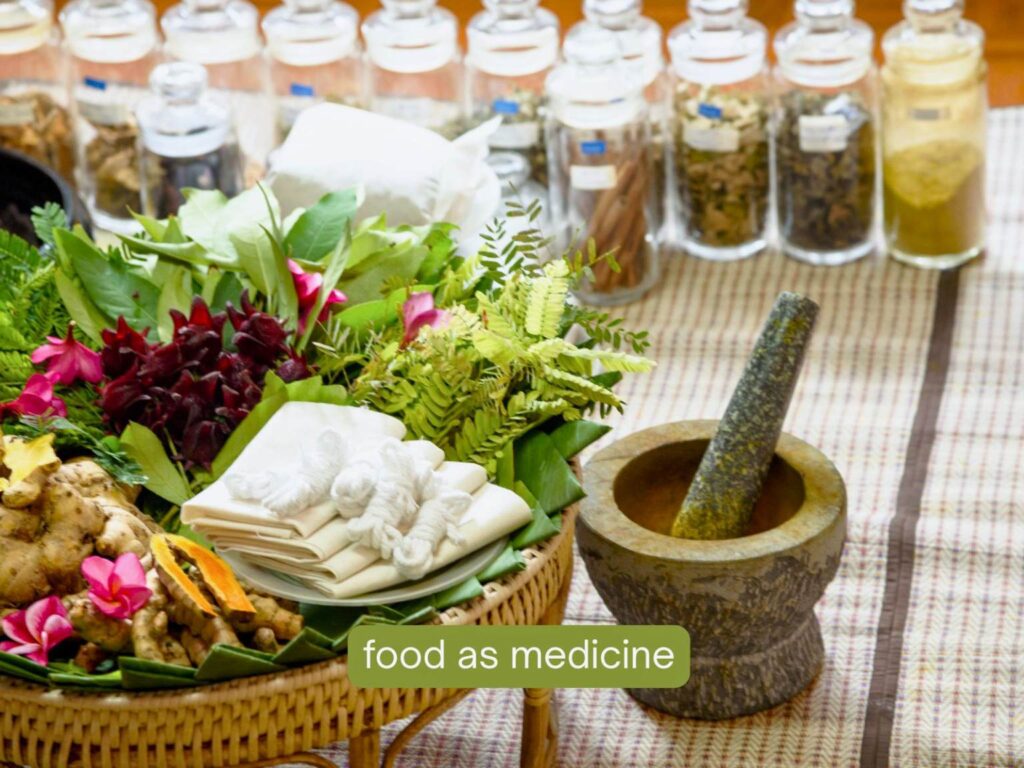
A Final Thought: Let Your Food Be Part of Your Herbal Practice
One of the things I love most about herbalism is that it doesn’t always require a separate preparation, complicated routine, or special trip to the herb shop.
Sometimes it starts in the kitchen.
Ginger in your tea. Garlic in your soup. Cayenne in a warming stew. Fresh herbs in a dressing. Licorice root in a cup before bed.
These small choices help us develop a more thoughtful relationship with the plants we use and the ways we care for ourselves.
As you plan your holiday meals, I invite you to consider this question:
What herbs and spices could you incorporate into your holiday cooking to make your meals more flavorful and bring a little more intention to the way you care for yourself?
Perhaps you’ll discover a new favorite spice blend, begin a calming tea ritual, or find that taking five minutes to sit down with a warm mug is exactly what you needed.
The season will still be busy. There will still be dishes to wash, presents to wrap, and people to see.
But with a little preparation, a few helpful herbs, and permission to slow down, we can make more room for what matters: good food, meaningful connections, and a little more peace along the way.
Looking for more seasonal herbalism? Read my post on fall equinox rituals with herbs and yoga.
Continue Your Herbal Journey With Us
If you’re ready to spend more time connecting with plants, deepening your relationship with your body, and making space for yourself, I’d love for you to join me and Ambuja Yoga for the 2027 session of Rewilding the Sacred: Herbalism and Yoga Retreat. Together, we’ll explore the gifts of medicinal plants, experience the grounding practice of yoga, and reconnect with the natural world in a supportive, nature-centered setting. It’s an opportunity to step away from the demands of everyday life, learn alongside other women, and rediscover the simple joy of slowing down. I hope you’ll join us!
July 15–18, 2027 · Tipi Village, outside Eugene, Oregon · Twenty women · From $997
FAQ: Herbs for Holiday Stress and Digestion
Herbs traditionally used for holiday stress include Chamomile, Lemon Balm, and Holy Basil (Tulsi) in a calming tea, Eleuthero as an adaptogen for longer stretches of stress, and Rescue Remedy, a Bach flower essence blend, for in-the-moment overwhelm. They work best alongside rest, regular meals, and realistic expectations.
Ginger is the classic choice for gas, bloating, nausea, and a heavy, too-full feeling. Warming spices like Cayenne, Prickly Ash, and Garlic are traditionally used to support digestion when added to food, and a cup of Licorice or Mint tea after a meal can be soothing.
Simmer 1–2 teaspoons of freshly grated Ginger (or several thin slices) in 1½ cups of water for 10–15 minutes, strain, and add lemon or honey if you like. Sip it slowly after a meal.
An occasional cup is fine for most people, but licorice root contains glycyrrhizin, which can raise blood pressure and lower potassium. Avoid it if you have high blood pressure, heart or kidney conditions, are pregnant, or take diuretics, digoxin, blood thinners, or steroids. Mint tea is a good alternative.
A blend of Chamomile, Lemon Balm, and Holy Basil makes a gentle, calming evening tea. Use 1 teaspoon of each dried herb per cup of freshly boiled water and steep, covered, for 5–10 minutes. Skip Chamomile if you’re allergic to plants in the daisy family.
The original Rescue Remedy drops are preserved in alcohol. Alcohol-free versions of the same five-flower blend (Impatiens, Star of Bethlehem, Cherry Plum, Rock Rose, and Clematis) are widely available.
Once both steeping stages are complete, pickled honey garlic keeps for a year or longer stored in a cool, dark place, or in the refrigerator. Keep the cloves submerged, discard it if you see mold, and don’t give it to babies under one because it contains honey.
Yes. Ginger and Garlic in medicinal amounts may add to the effect of blood thinners, Licorice can affect blood pressure and potassium, and Eleuthero may interact with digoxin, diabetes medications, and blood thinners. Check with your doctor, pharmacist, or a qualified herbalist before using herbs medicinally.
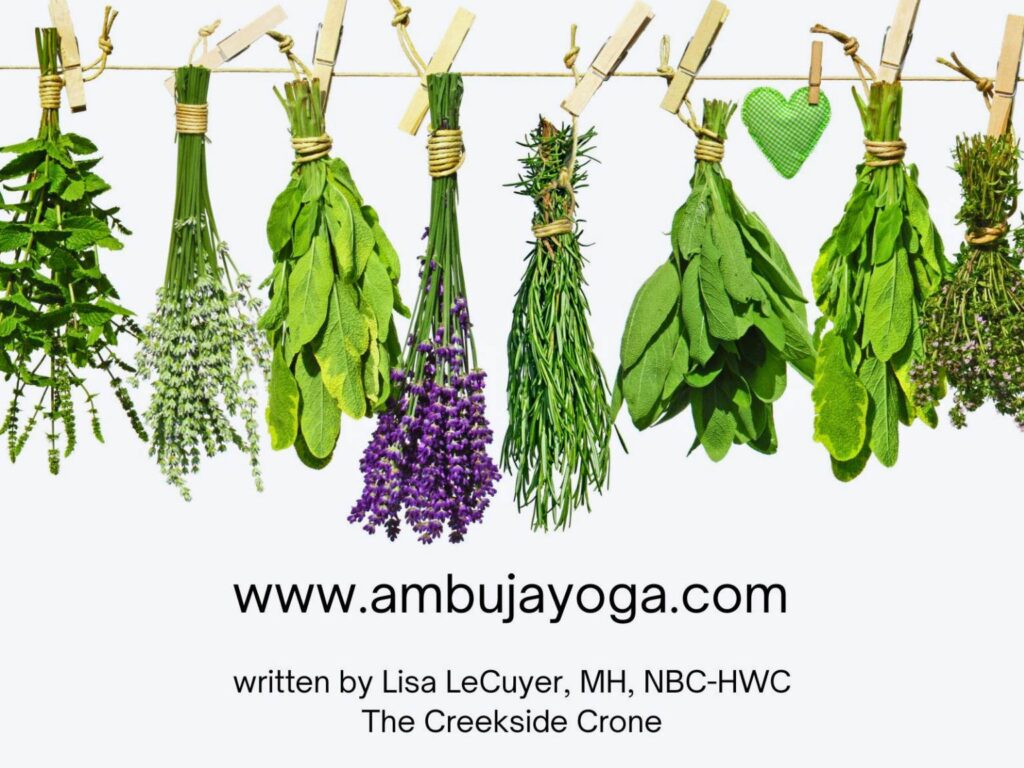
About the Author
Lisa LeCuyer, MH, NBC-HWC, is a Master Herbalist trained at the Midwest School of Herbal Studies and a National Board Certified Health & Wellness Coach. She writes as The Creekside Crone and teaches the hands-on herbalism workshops at Ambuja Yoga’s Rewilding the Sacred retreat in Oregon.
A Note About Herbal Use
The herbs discussed in this article reflect traditional herbal practices and are shared for educational purposes. Individual responses to herbs vary, and natural products can have side effects or interact with medications. This article is not intended to diagnose, treat, cure, or prevent disease, and it is not a substitute for individualized medical advice. Consult a qualified, knowledgeable herbal practitioner before using herbs medicinally, particularly if you take medications, are pregnant or breastfeeding, or have an existing health condition.
Sources
- Bach Flower Remedies: Original Bach Flower Remedies, Education and Sale
- 300 Herbs: Their Indications & Contraindications by Matthew Alfs, RH (AHG)
- Lisa LeCuyer, MH, NBC-HWC: Herbal Materia Medica
- Pickled Garlic recipe based on a recipe by herbalist Rosemary Gladstar
- Medicinal Herbs: A Beginner’s Guide by Rosemary Gladstar
- National Center for Complementary and Integrative Health (NIH): Licorice Root fact sheet
About the Author
Autumn Adams
E-RYT, YACEP, Founder of Ambuja Yoga
Autumn is a yoga teacher, retreat leader, and the founder of Ambuja Yoga. She is passionate about helping women reconnect with their inner wisdom through yoga, movement, and mindful living.
You Might Also Enjoy

What to Expect at Rewilding the Sacred: A Women’s Herbalism & Yoga Retreat in Oregon
Four days of all-levels yoga, hands-on herbalism, seasonal meals, and open forest afternoons at Tipi…

Fall Equinox Rituals: Harvesting, Herbs, and Yoga for the Seasonal Shift
Summer is softening into fall, and the plants around us are offering a quiet lesson…
Daily Herbal Ritual for Calm and Clarity
Learn how to create a daily herbal ritual using tea, aromatherapy, and nature practices to…