
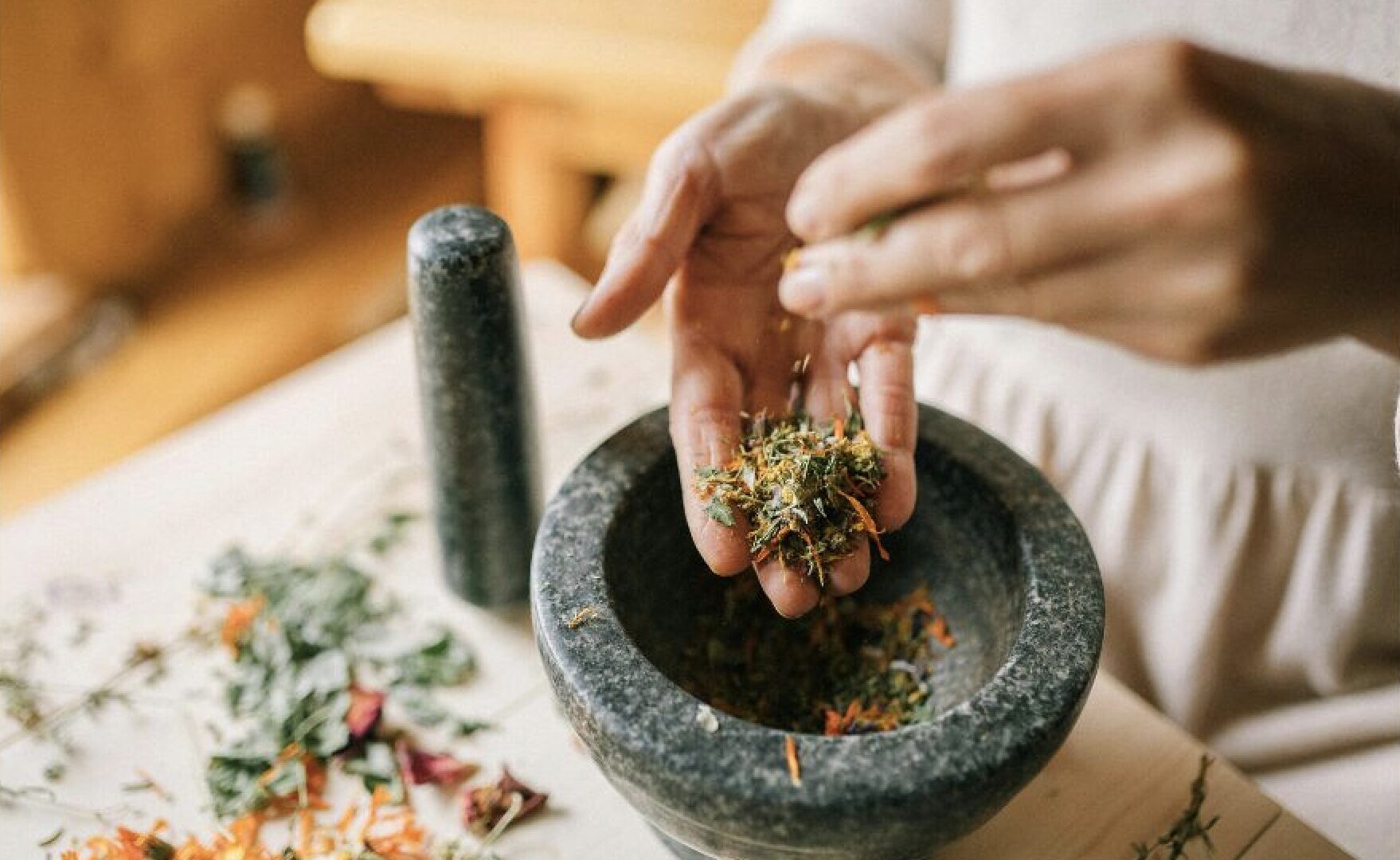
13 years · 40+ retreats · 700+ women



Learn how to create a daily herbal ritual using tea, aromatherapy, and nature practices to support calm, clarity, and connection.
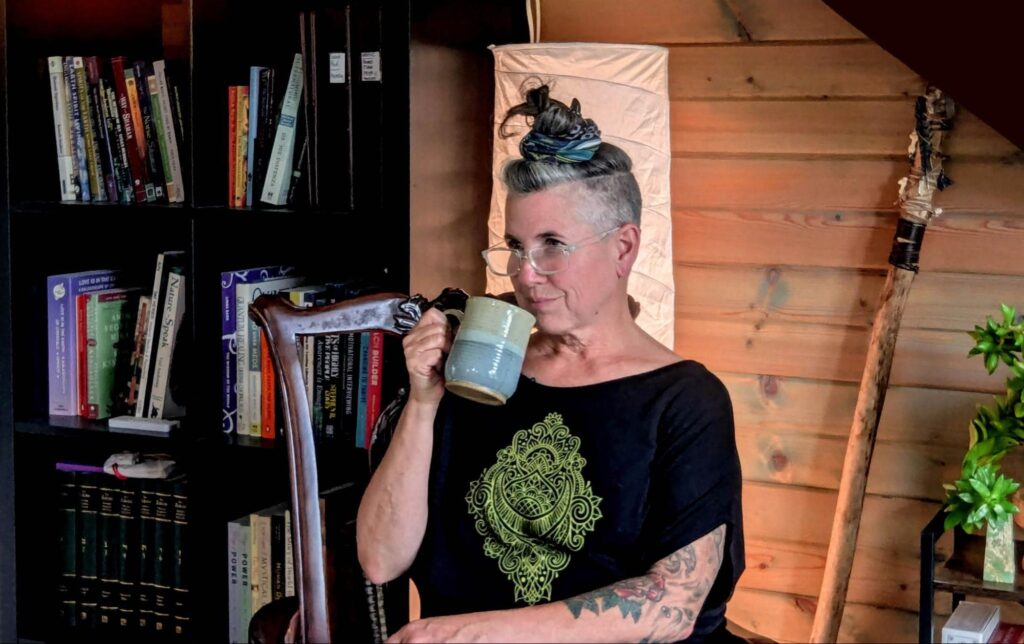
by Lisa LeCuyer, MH, NBC-HWC
This article is for educational purposes and is not medical advice. Herbs can interact with medications and aren’t right for everyone. Check with your healthcare provider before starting, especially if you are pregnant, nursing, or taking prescription medication.
A daily herbal ritual can be one of the simplest ways to support calm, clarity, and connection in your everyday life. By combining
- nourishing herbal tea
- aromatherapy
- intentional time in nature
you can create a wellness practice that supports both your nervous system and overall well-being.
As an Herbalist and Wellness Coach, I’ve found that small, consistent practices often have the greatest impact. Rather than adding another complicated routine to your day, a daily herbal ritual invites you to slow down, reconnect with yourself, and cultivate greater presence.
In this article, I’ll share three simple practices that you can begin today
- a nourishing herbal tea blend
- an aromatherapy ritual for focus and clarity
- and a nature-based mindfulness practice inspired by the wisdom of plants
What Is a Daily Herbal Ritual?
A daily herbal ritual is a simple practice that incorporates herbs into your everyday life with intention and consistency.
While herbs can support physical wellness, the ritual itself also creates space for mindfulness, reflection, and self-care.
Your daily herbal ritual doesn’t need to be complicated. In fact, the most effective rituals are often the ones that are easy to maintain.
A cup of tea, a few deep breaths with essential oils, or a mindful walk outdoors can become powerful tools for nervous system support.
Step 1: Brew a Nervous System Tea (Lemon Balm, Oat Straw + Holy Basil)

The simplest daily herbal ritual is a calming cup of tea. A blend of lemon balm, oat straw, and holy basil gently supports the nervous system and helps the body settle out of “go mode.”
Tea offers more than hydration. The simple act of preparing and sipping a warm cup invites us to slow down, breathe, and become present.
One of my favorite blends for supporting the nervous system combines three herbal allies
- Lemon balm (Melissa officinalis)
- Oat straw (Avena sativa)
- Holy Basil [Tulsi] (Ocimum tenuiflorum)
Together, they create a deeply nourishing infusion that helps calm the mind, support resilience, and restore balance.
Lemon balm: The Gentle Calmer
True to its name, Lemon balm offers a bright lemony-mint flavor and a soothing effect on both body and mind. Traditionally used to ease stress, anxiety, and sleeplessness, it is one of my favorite herbs for people who feel overwhelmed or emotionally depleted.
Lemon balm supports
- healthy digestion
- helps relax tension in the body
- may encourage more restful sleep
It contains compounds that help preserve GABA, an important neurotransmitter involved in relaxation and emotional regulation.
I often recommend Lemon balm for those who feel like their nervous system is stuck in “go mode” and needs a reminder that it’s safe to rest.
Oat Straw: Deep Nourishment for the Nervous System
Oat straw is one of the most supportive herbs I have worked with over the years. Rich in minerals, B vitamins, silica, and other nutrients, it provides nourishment that many modern nervous systems desperately need.
Unlike herbs that create an immediate effect, oat straw works gradually, helping replenish depleted reserves over time.
Herbalists have long valued oat straw for supporting mental clarity, emotional resilience, and overall vitality.
Whenever life feels demanding, I often turn to Oat as a steady, nourishing companion.
Holy Basil (Tulsi): The Stress Balancer
No discussion about stress support would be complete without Holy Basil.
Known in India as Tulsi, this revered herb is considered sacred in Ayurvedic tradition.
Holy Basil is classified as an adaptogen, meaning it helps the body adapt to stress and maintain balance.
I’ve seen Holy Basil work wonders for individuals who feel constantly “on” and unable to relax. It seems to gently remind the body that it doesn’t need to stay in a perpetual state of alertness.
After incorporating Tulsi into their daily routine, many people find its benefits in
- improved sleep
- better stress resilience
- a greater sense of calm
Happy Nervous System Tea
Ingredients
- ½ cup Oat straw
- ¼ cup Holy Basil
- ¼ cup Lemon balm
Method
- Mix all ingredients together in a 4-cup container with a lid
- Bring 4 cups of water to a boil and allow it to cool slightly
- Pour the water over the herbs
- Cover and steep overnight or for at least 8 hours
- Strain into another container and refrigerate
- Consume within five days
I recommend drinking one cup in the afternoon and another about two hours before bedtime.
Because some people find this blend deeply relaxing, it’s wise to try it first on a day when you don’t need to be highly productive.
Step 2: Use Aromatherapy for Focus and Mental Clarity
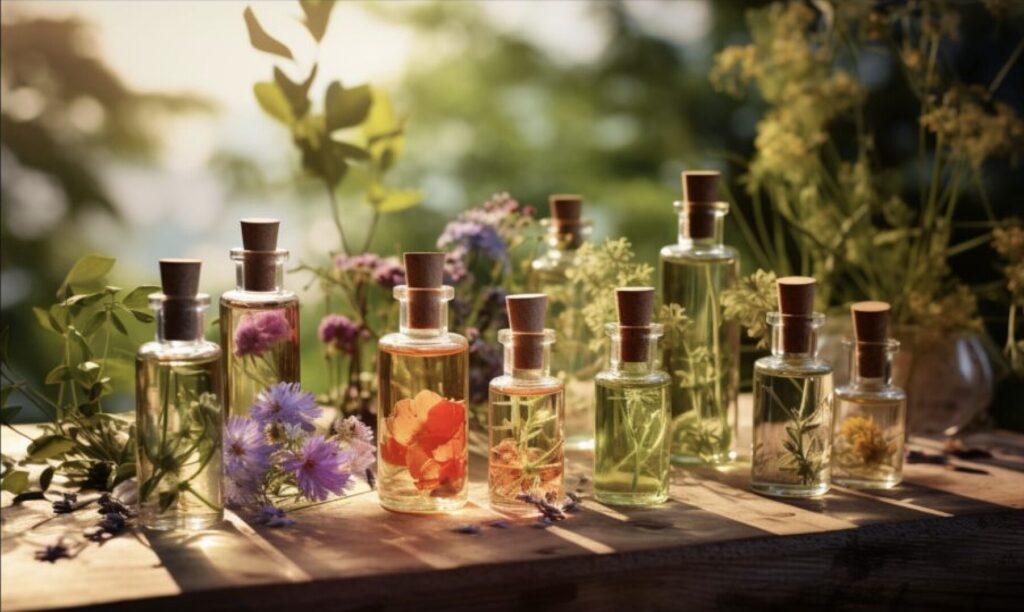
Our sense of smell has a direct connection to the brain’s emotional and memory centers, making aromatherapy a simple yet powerful daily ritual.
One essential oil I never travel without is Rosemary. While preparing for my herbalism and coaching certification exams, I frequently reached for a bottle of Rosemary essential oil whenever I felt mentally fatigued or overwhelmed by information.
Research has shown that Rosemary contains compounds such as rosmarinic acid and carnosic acid, which support cognitive function.
Studies have also found that exposure to Rosemary aroma may improve memory recall and concentration.
When your mind feels scattered, a few intentional breaths with Rosemary essential oil can provide a surprising sense of clarity.
Focus Blend
Ingredients
- 8 drops Peppermint essential oil
- 8 drops Rosemary essential oil
- 6 drops Basil essential oil
- 2 drops Cardamom essential oil
- 1 ounce carrier oil (Almond, Jojoba, Apricot kernel)
Method
- Combine all ingredients in a glass bottle and mix well.
- Apply a small amount to the temples, back of the neck, or wrists. You can also diffuse the blend while working, studying, journaling, or practicing yoga.
Even a brief moment of inhaling these aromatic plants can become a powerful mindfulness practice.
Step 3: Practice Forest Bathing and Nature Connection
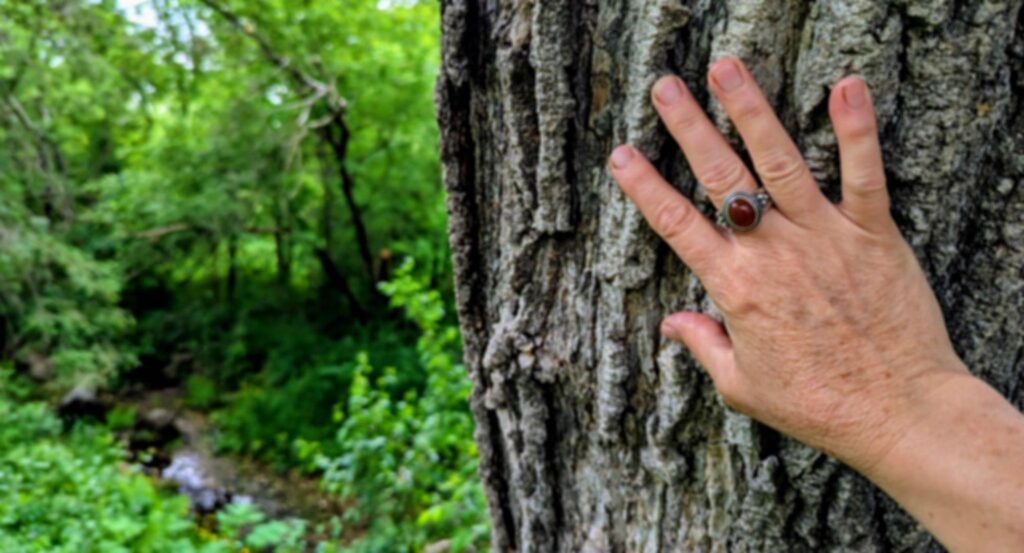
Forest bathing is the practice of slowing down and connecting with nature through your senses — not hiking for exercise, but simply being present. It’s one of the most grounding parts of a daily herbal ritual.
Nature offers something modern life often cannot: an invitation to simply be.
Whether you live in the countryside or a busy city, spending intentional time outdoors can
- help regulate the nervous system
- improve mood
- restore a sense of connection.
Practices such as forest bathing and plant meditation encourage us to move beyond observing nature and begin participating in a relationship with it.
One of my favorite quotes comes from Herbalist Stephen Buhner:
“Plants will, if genuinely asked, respond to you. They will teach you their medicine, as plants have always taught human beings. And though human beings may lose the knowledge of the medicinal uses of a plant, the plant always remembers what its medicine is. And they will tell you…if you ask.”
Plant meditation is a beautiful way to cultivate this relationship.
- Find a plant, tree, or wildflower that draws your attention.
- Sit quietly beside it.
- Observe its shape, texture, color, and presence.
- Notice how you feel in its company.
- Instead of analyzing, simply listen.
You may be surprised by the insights that emerge when you slow down enough to receive them.
A Simple Forest Bathing Exercise
Explore Tree Bark with Open and Closed Eyes
First, stand at arm’s length from a tree and reach one hand toward a palm-sized area of bark. Close your eyes.
Second, slowly move your fingertips across the bark, noticing differences in texture, temperature, ridges, and patterns. Continue exploring for five to ten minutes, or as long as feels comfortable.
Third, take several deep breaths and slowly open your eyes. Observe the area you were exploring.
Is it similar to what you imagined with your eyes closed? Different? What details stand out now?
This simple exercise encourages presence, curiosity, and sensory awareness—all qualities that support a calmer, more connected state of being.
Want to keep these recipes? I put the Nervous System Tea and Focus Blend on a simple, printable card you can keep by your kettle. Download the free Herbal Ritual recipe card below
How to Start Your Daily Herbal Ritual Today
Creating a daily herbal ritual doesn’t require hours of free time or extensive herbal knowledge. Instead, it begins with small, intentional actions that can be repeated consistently.
Whether you start by brewing a cup of tea, inhaling the aroma of Rosemary before a busy day, or spending a few mindful moments with a tree, each practice offers an opportunity to slow down and reconnect.
Over time, a daily herbal ritual can become an anchor that supports
- calm,
- clarity,
- and connection.
These simple practices remind us that wellness doesn’t always come from doing more, it often comes from returning to the wisdom of nature and the healing power of presence.
Frequently Asked Questions
What is a daily herbal ritual?
A daily herbal ritual is a simple, repeatable practice that brings herbs into your everyday life with intention — usually through tea, aromatherapy, or time in nature. It’s less about adding another task and more about creating small, consistent moments to slow down and support your nervous system.
What herbs are best for calming the nervous system?
Lemon balm, oat straw, and holy basil (tulsi) are three of the most widely used herbs for calming the nervous system. Lemon balm is traditionally used to ease stress and tension, oat straw gently nourishes depleted reserves over time, and holy basil is an adaptogen that helps the body adapt to stress.
Does lemon balm help with stress and sleep?
Lemon balm has traditionally been used to ease stress, anxiety, and occasional sleeplessness, and it’s known for its gentle, calming effect. It contains compounds thought to support GABA, a neurotransmitter involved in relaxation. As with any herb, effects vary from person to person.
What is holy basil (tulsi) good for?
Holy basil, known as tulsi, is an adaptogen — an herb that helps the body adapt to stress and maintain balance. In Ayurvedic tradition it’s considered sacred, and many people use it to support a greater sense of calm, steadier energy, and more restful sleep.
How does aromatherapy help with focus and clarity?
Aromatherapy supports focus because the sense of smell connects directly to the brain’s emotional and memory centers. Rosemary in particular contains compounds studied for cognitive support, and a few intentional breaths of an essential oil blend can be a quick way to feel more clear-headed.
What is forest bathing and how do you do it?
Forest bathing is the practice of spending slow, intentional, sensory time in nature — not hiking for exercise, but simply being present with it. You can start by standing with a tree, noticing its bark and textures with your eyes closed, then breathing slowly and observing what you feel.
How long does it take for a daily herbal ritual to work?
A daily herbal ritual works gradually, not instantly. Some effects, like the calm after a cup of tea or a few breaths of essential oil, are immediate, while deeper nervous system support from herbs like oat straw builds over weeks of consistent practice. Consistency matters more than intensity.
Are these herbs safe to take every day?
These herbs are generally well tolerated and have a long history of traditional use, but herbs can interact with medications and aren’t right for everyone. Check with your healthcare provider before starting, especially if you are pregnant, nursing, or taking prescription medication.
A Gentle Invitation
If this way of practicing speaks to you…
I’d love to invite you to join me with Ambuja Yoga for our very first 4-day Herbalism & Yoga Retreat: Rewilding the Sacred in Oregon in July.
This is a space to slow down. To reconnect with the natural rhythms of your body and the wisdom of the plants. To explore yoga not just as movement — but as ritual, presence, and relationship.
Together, we’ll weave herbalism, nervous system support, and intentional practice into something that feels deeply nourishing and real. Not just the poses. But the spaces in between them.
Reset your nervous system. Reconnect with your body. Remember the Earth’s wisdom.
With love,
Lisa
Sources:
- Lisa LeCuyer’s Herbal Materia Medica
- Corinna Wood, “Corinna’s Online Guide to Wise Woman Herbal Medicine,” corinnawood.com
- The Secret Teachings of Plants by Stephen Harrod Buhner — https://www.stephenharrodbuhner.com/
- Food Therapy: Conscious Eating to Navigate Anxiety, Stress and Trauma by Luis Mojica (Hay House, 2026)
- Forest Bathing Guidebook by Olga Terebenina and Gary Evans (Leaping Hare Press 2025)
- WVU Today, “Aromatherapy May Reduce Nurses’ Stress, WVU Researcher Suggests,” May 1, 2020, wvutoday.wvu.edu
- The Complete Book of Essential Oils & Aromatherapy by Valerie Ann Worwood (New World Library, 1991)
About the Author
Autumn Adams
E-RYT, YACEP, Founder of Ambuja Yoga
Autumn is a yoga teacher, retreat leader, and the founder of Ambuja Yoga. She is passionate about helping women reconnect with their inner wisdom through yoga, movement, and mindful living.
You Might Also Enjoy

Fall Equinox Rituals: Harvesting, Herbs, and Yoga for the Seasonal Shift
Summer is softening into fall, and the plants around us are offering a quiet lesson…

Box Breathing: A Simple Practice to Calm Your Nervous System in Minutes
Welcome to the Mindful Monday Series. Box breathing is a simple breathing technique — inhale,…
Herbs for Yoga Practice: 5 Simple Ways to Deepen Calm & Connection
Bringing Ritual Back to the Practice If you’ve been wondering how to use herbs in…