
How to Choose a Yoga Teacher Training: 11 Questions to Ask
13 years · 40+ retreats · 700+ women



Congrats! Embarking on a yoga teacher training course will absolutely change your life, and that’s why it’s so important to choose the right yoga instructor course for YOU. I have personally taken a handful of yoga teacher training courses that have ranged from really freakin’ awesome to ugh… what a waste of money, time, etc. I want to make sure you find the yoga instructor course that works best for you, your needs, your lifestyle, and your practice.
One thing up front: I lead a teacher training myself, so I’m not a neutral party here. But these are the exact eleven questions I’d want you asking me — and any school that gets cagey about answering them is telling you something.
Here are eleven questions you should definitely ask any yoga school before signing on the dotted line.
What’s in this post
- Is it registered with the Yoga Alliance?
- Who are the lead instructors?
- Where is the training located?
- What does the training actually cost?
- What is not included?
- How many trainees do they accept?
- How long does it take to get certified?
- What are the attendance and refund policies?
- How much yoga experience is required?
- Do they teach modifications and beginners?
- What are the instructors passionate about?
- Frequently asked questions
1.) Is the yoga instructor course registered with the Yoga Alliance?
Check the school’s registration yourself in the Yoga Alliance directory rather than taking the website’s word for it. A school can display the logo without holding current RYS status.
Yoga Alliance provides the minimum standard for which a Yoga Alliance registered yoga teacher training must meet. The Yoga Alliance outlines a minimum number of hours to be spent on each topic: philosophy, anatomy, practicum, methodology, etc.
I’ve heard horror stories where yoga instructors were duped into taking a yoga instructor course not registered with the Yoga Alliance and their teacher training fell way short.
While Yoga Alliance isn’t a perfect organization, it does provide a bit of necessary accountability to instructors leading yoga teacher training courses.
2.) Who are the lead yoga instructors? What’s their experience? What style(s) do they teach?
Ask for the lead trainers’ names, their credential level, and how many trainings they have personally led — then take a class with them before you enroll.
You will spend a LOT of time with your yoga instructors and your fellow yoga teacher trainees. I recommend chatting with the lead instructors before the teacher training begins. Find out what the lead yoga instructors are passionate about. What do they love to teach?
If possible, you should take a class with the instructor before the teacher training. Do you actually enjoy their class? Would you like to teach the way they teach? Some instructors will invite you to take a class with them at a local studio or give you a video link to preview. Familiarize yourself with their teaching style and explore other styles too.
What type of yoga will you be learning? Vinyasa? Iyengar? Bikram? Ashtanga? Restorative? Yin? Hatha? Integral? Kundalini? Make sure their teachings align with what you want to learn AND with what you want to teach.
3.) Where is your yoga teacher training course located?
Ask whether the training is fully in-person, fully online, or hybrid, and whether every session happens in the same place. Format affects cost more than any other single factor.
Will the training be in your hometown or abroad? Is the training held at a yoga studio, retreat center, or conference room? Will all of your class sessions be in the same place? Are portions of your yoga teacher training done online?
What time of year is the yoga instructor course? Is it in the summer or winter? Is it during the rainy season or dry season? I personally wouldn’t throw out a yoga teacher training course just because it is in the offseason… you’re doing yoga and learning the whole time anyway, but if it’s important to you, then take note.
Most people narrow it down by style, teacher, or location. If you want a strong Ashtanga vinyasa training and you’re open to traveling for it, All Yoga Training runs yoga teacher training programs in Bali and Thailand in a few different formats.

4.) What are the expenses associated with your yoga instructor course?
Most 200-hour trainings run between $1,000 and $7,000. That is an enormous spread, and the number itself tells you almost nothing until you know what format you are looking at.
Here is roughly how it breaks down right now:
- Self-paced online: $200–$1,000 (the chance of completion is too low and you’ll end up investing in another YTT anyway)
- Live online: $1,500–$3,000
- In-person, local studio: $2,500–$5,000+
- Hybrid (online + retreat style intensive): $3,500-$6,000+
- Destination or retreat-style intensive: $3,800–$7,000+
The destination programs look expensive until you read what is inside them. Most include lodging and every meal for three or four weeks. A local studio training that costs half as much still leaves you buying your own groceries and driving there twice a week for six months. Neither is better. They are different purchases, and the sticker price is not comparing the same thing.
What actually changes the number: format, whether lodging and food are included, how many contact hours you get, and how experienced the lead trainers are.
Then there are the costs that sit outside tuition. Books and manuals, usually. Yoga Alliance registration, which I will cover in the next question. Private make-up sessions if you miss hours, which are often billed hourly. And if the training is not in your town — flights, lodging, time off work.
Ask for the all-in number, not the tuition number. Any school that answers that question straight is showing you how they will handle every other question you have.
Will you see yoga teacher trainings offered for a thousand dollars? Or maybe even a few hundred? Yes. Do not waste your money. A supplemental course in that price range — like a deep dive into anatomy, hands-on assists, a specific modality, or women’s health and yoga… great. But a full 200 hour??? You’ll be so disappointed and feel like you wasted your money. Trust me. I’ve seen and heard it all.

5.) What is not included in the training?
Make sure you know exactly what is included and what is not included in your yoga teacher training.
Ask for a written list of what tuition does not cover — most commonly books, Yoga Alliance registration, make-up hours, and, for destination trainings, flights.
Also, note that your registration as a Yoga Alliance registered yoga instructor is typically not included in your course fees. The Yoga Alliance registration isn’t much ($115 for your first year and $65 for subsequent years), so don’t let that deter you from becoming a yoga instructor.
Books are often not included either…. which is a good thing. You can often find used copies for cheaper online on Amazon, Thriftbooks, or at your local book seller.
If it’s a destination yoga teacher training, then accommodation and meals are frequently included, but not always. You might as well double check.
6.) How many teacher trainees do they accept?
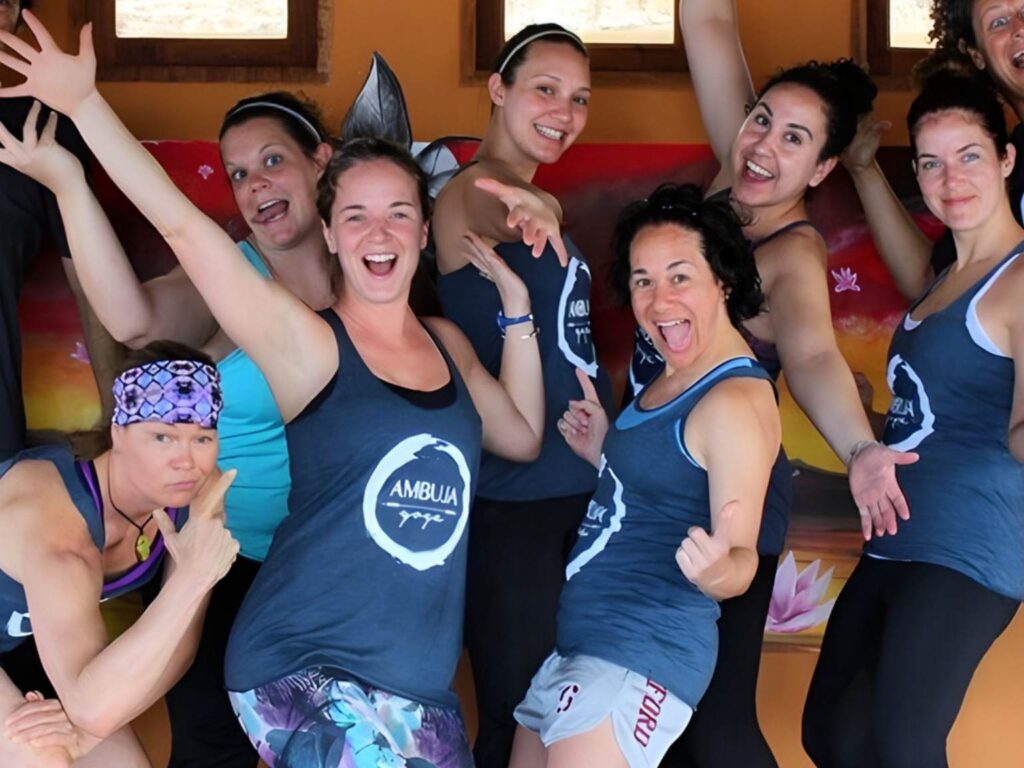
Ask for the cap, not the average. Smaller groups mean more practice-teaching time and direct feedback; larger groups mean more bodies to observe and more people to learn alongside.
There are benefits to both larger and smaller yoga teacher trainings. In larger groups, you have an opportunity to connect with more like-minded people and see more bodies in their yoga practice. In a smaller group, you will receive more one-on-one time from your instructors, develop closer relationships with your classmates, and have more time to practice teaching yoga. What do you value most? Choose accordingly.
A note, since you’re this far in
If you’re reading a post about how to choose a training, you have probably already decided you want to do one. The rest is logistics.
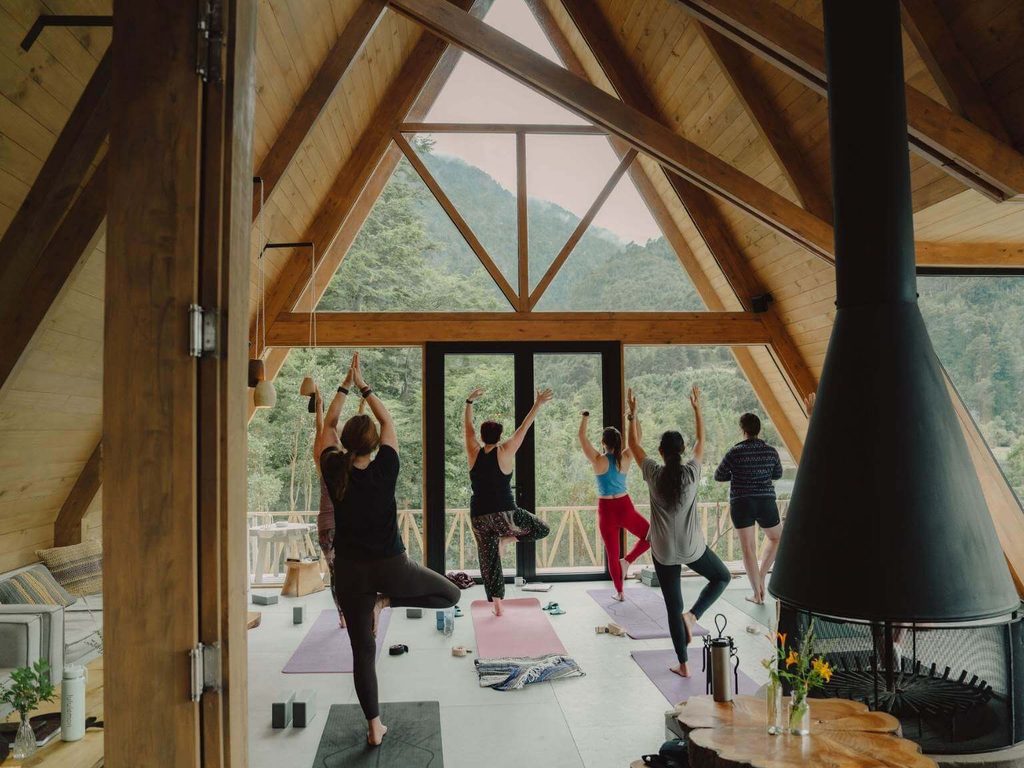
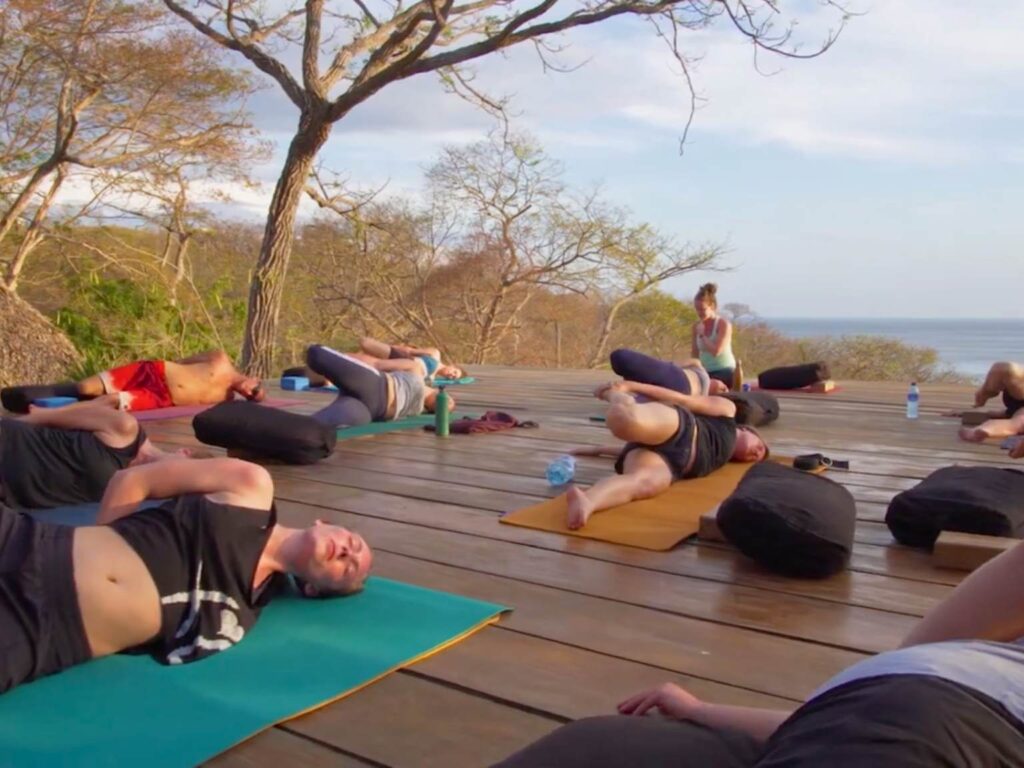
Our 200-hour training, Inner Alchemy: Root & Radiance, is a hybrid program — online study plus two in-person immersions, one in Bend, Oregon and one on the coast of Nicaragua. Small group. Women only.
7.) How long will it take to become certified? What is required to receive certification?
Most 200-hour trainings take between three weeks and one year, depending on format: intensives run roughly three to four weeks, while hybrid and weekend programs typically spread across six to twelve months.
All formats have their benefits. In an intensive you are fully immersed in the yoga lifestyle. In a longer training you have more time to integrate between sessions.
Are there any additional papers or online classes that you will need to complete before you receive your certification? I didn’t look into this for my 300 hour yoga teacher training and I realized that I was going to have to essentially write a masters thesis to receive my certificate. Whoops! I learned my lesson.
You will also likely be required to attend a certain percentage of class hours to reach the minimum requirement set out by Yoga Alliance. The lead instructors for your yoga course will also have their own standards of attendance.
8.) What’s their policy on attendance, cancellation, etc.?
Ask for the attendance minimum, the make-up policy and its cost, and the refund deadline in writing before you pay a deposit.
Each yoga teacher training course will have different policies regarding attendance, cancellations, etc. Some teacher trainings allow you to make up time with private sessions (usually at a cost), extra book reports, or self-study.
Know the yoga teacher training course’s policies. If you know the policies then you won’t be surprised when something does come up.
9.) How much yoga experience is required to participate?
Most trainings ask for six months to two years of consistent practice, though requirements vary widely and some schools require you to practice at their studio first.
Some yoga instructor courses are more flexible on this requirement and some are more strict.
10.) Will the program teach you how to modify for those with injuries? How to teach beginners? How to teach all levels?
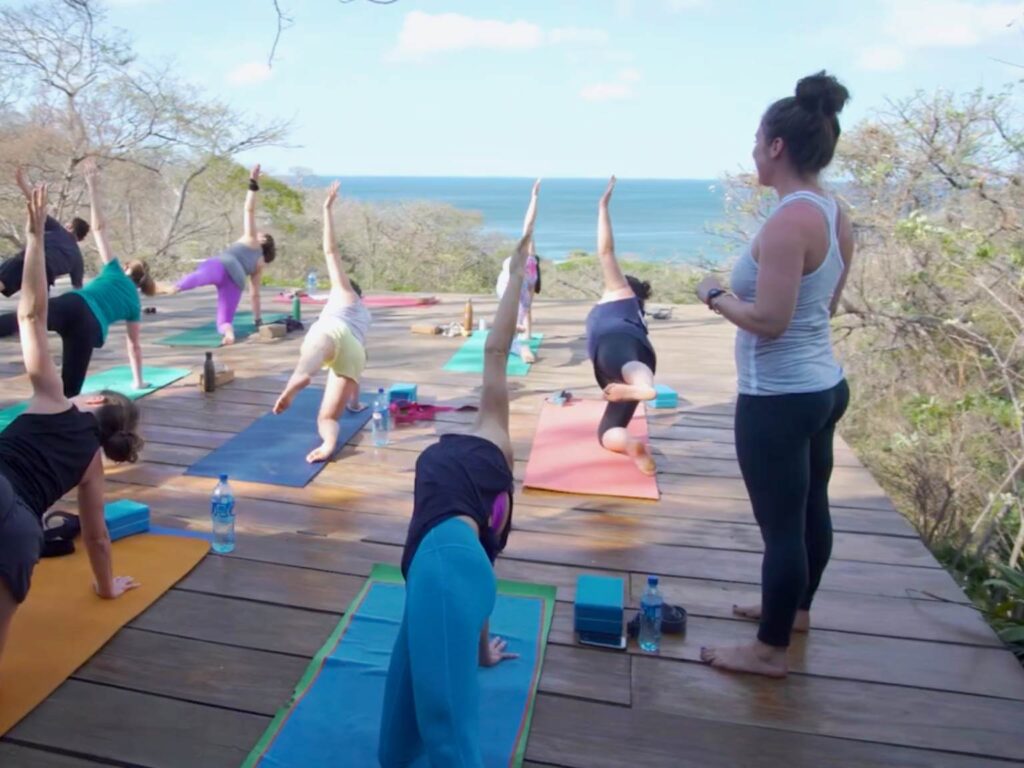
Ask specifically how many hours are spent on modifications, props, and contraindications. Every room you ever teach will have a beginner and someone with an injury in it.
It’s important, from a safety standpoint, to be able to teach both of these populations.
11.) What are the yoga instructors passionate about teaching? How do they teach?
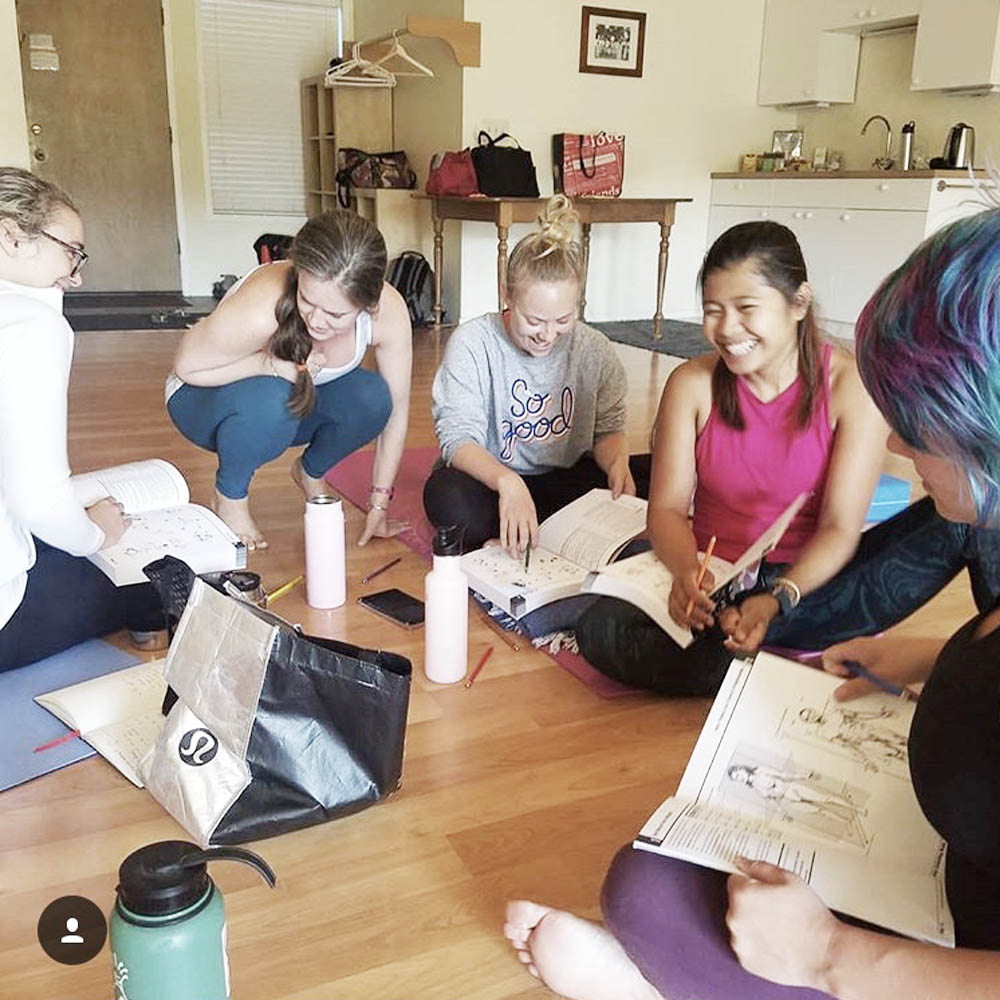
Ask to see the syllabus. It shows you where the hours actually go, which tells you more than any conversation about teaching philosophy will.
Are the instructors passionate about teaching anatomy? Are they passionate about storytelling, theme-ing, philosophy? Do they teach from their mat? Do they walk around the room? Do they demo? Do they use their hands? Do they use their voice to speed class up or slow things down? Do they teach pranayama and meditation? Do they teach the business of yoga?
You should find out as much as you can! Remember, it’s okay to ask to see their syllabus too. You’re paying good money to enroll in their training, so they should be happy to answer your questions.
I also recommend that you reach out to your yoga instructors in your community and ask them about their experience with teacher trainings. In hindsight, what would they have done differently?
If you’ve read this far, you’re probably closer to doing this than you think.
Our 200-hour training, Inner Alchemy: Root & Radiance, is a hybrid program — online study plus two in-person immersions, one in Bend, Oregon and one on the coast of Nicaragua. It’s women-led, and it goes deep on the things a lot of trainings skim: women’s anatomy across the whole lifespan, nervous system science, and consent-based teaching. Toni and I are happy to answer any of the eleven questions above, plus whatever else you’ve got.
Learn more about Inner Alchemy: Root & Radiance →
Frequently Asked Questions
How do I choose a yoga teacher training?
Start with format and cost, because those two decisions eliminate most options fast. Then look at who is leading it and whether you actually want to teach the way they teach. Take a class with the lead trainer before you enroll if there is any way to do it.
Do you need to be certified to teach yoga?
No. Yoga is not a licensed profession in the United States, so no certification is legally required. That said, most studios, gyms, and insurance providers ask for a 200-hour certificate, and many specifically want Yoga Alliance registration.
How much does yoga teacher training cost? How much does yoga teacher training cost?
Most 200-hour trainings worth doing cost between $1,500 and $7,000. Live online runs roughly $1,500 to $3,000, in-person studio trainings $2,500 to $5,000, hybrid programs $3,500 to $6,000, and destination intensives that include lodging and meals $3,800 and up. You will find self-paced programs for a few hundred dollars, but completion rates are low and most people end up paying for a second training anyway.
How long does it take to become a yoga teacher?
Between three weeks and one year for a 200-hour certification. Intensive formats compress it into three to four weeks. Hybrid and weekend programs usually spread across six to twelve months, which gives you more time to absorb the material between sessions.
Do I need to be advanced at yoga to do a teacher training?
No. Most trainings ask for six months to two years of consistent practice, not a particular level of flexibility or a specific pose. Being able to do a handstand has almost nothing to do with being able to teach one.
Is Yoga Alliance registration required?
No, it is not required to teach. It is a voluntary registry. But most employers and insurers ask for it, and only graduates of a Registered Yoga School can apply. Registration costs $115 the first year and $65 a year after.
What is a hybrid yoga teacher training?
A hybrid training combines online coursework with in-person immersions. You do the reading, lectures, and self-study remotely, then gather in person for practice teaching, hands-on work, and the parts that genuinely require a room full of bodies.
Am I too old to do a yoga teacher training?
No. Trainings routinely include women in their forties, fifties, and sixties, and plenty of people do a 200-hour to deepen their own practice with no intention of teaching professionally. Age is far less relevant than whether the training knows how to teach the body you are actually in.
I hope this blog post helps clear up some of your questions.
Love,
Autumn
About the Author
Autumn Adams
E-RYT, YACEP, Founder of Ambuja Yoga
Autumn Adams (E-RYT 500, YACEP) is the founder of Ambuja Yoga, where she's led women's yoga retreats since 2014 — 40+ retreats and 700+ women across Oregon, North Carolina, Sedona, Patagonia, Greece, Mallorca, and Thailand. Her work has been featured in Insider, Shape, Zappos, Asia Spa, Direct Holiday, and Bend Nest, and she's the author of The Little Book of Mudra Meditations.
You Might Also Enjoy

Yoga Teacher Training Books: The Reading List I Actually Use
Dive into the ancient wisdom of yoga with these great yoga teacher training books. They're…
How Much Does Yoga Teacher Training Cost? An Honest Breakdown
Most 200-hour yoga teacher trainings cost between $1,500 and $7,000. Where you land inside that…

The Dos and Don’ts to Grow Your Instagram Following With Hashtags
Don't make the same mistakes as your peers. Learn the Top 10 Dos and Don'ts…